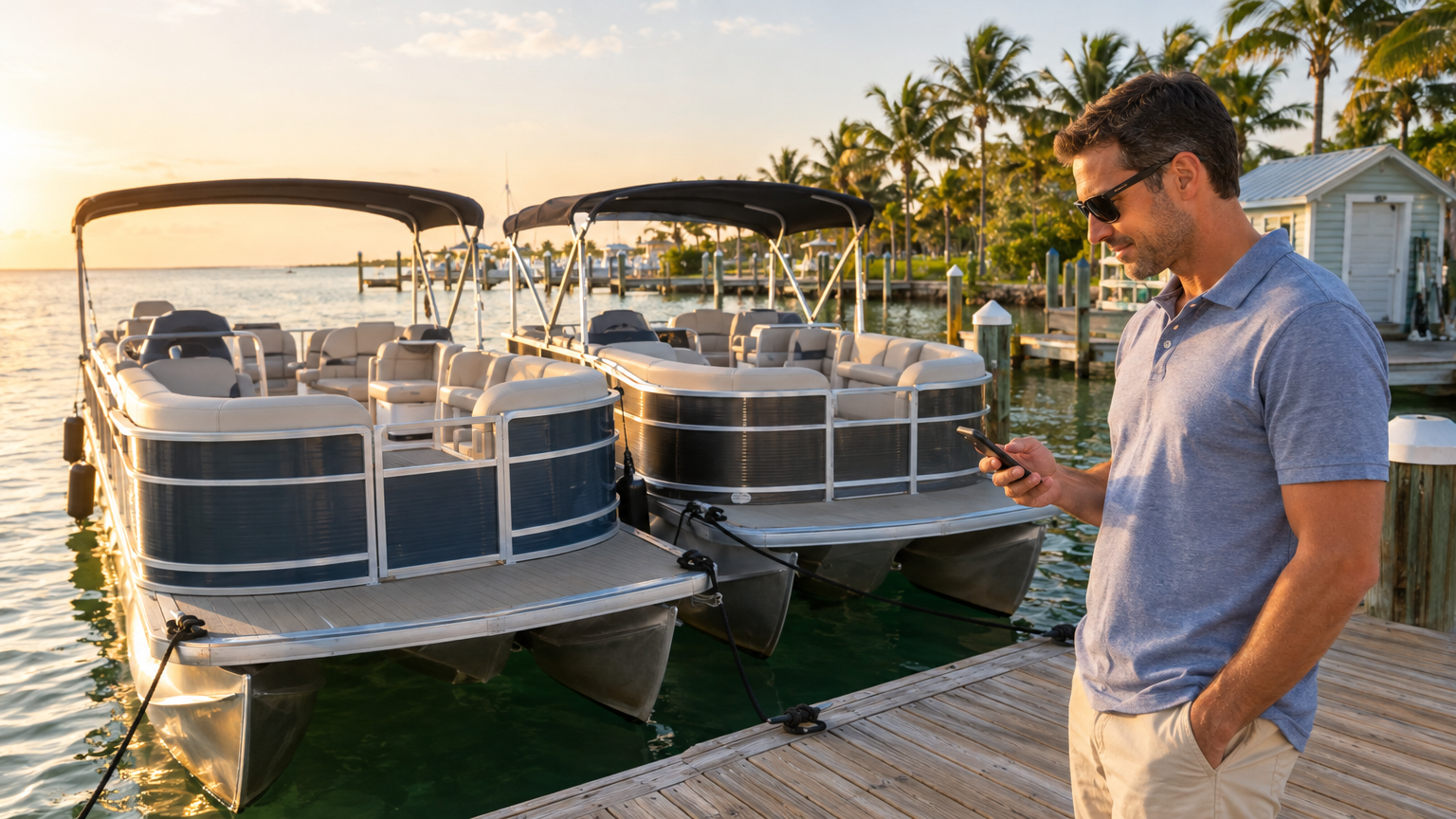
The Boat Rental Off-Season Checklist: Get Your Fleet Ready Before Spring
October is the right time to prep your pontoon and jet ski rental fleet for the off-season. A practical checklist for boat rental operators to close out the season clean and open spring strong.
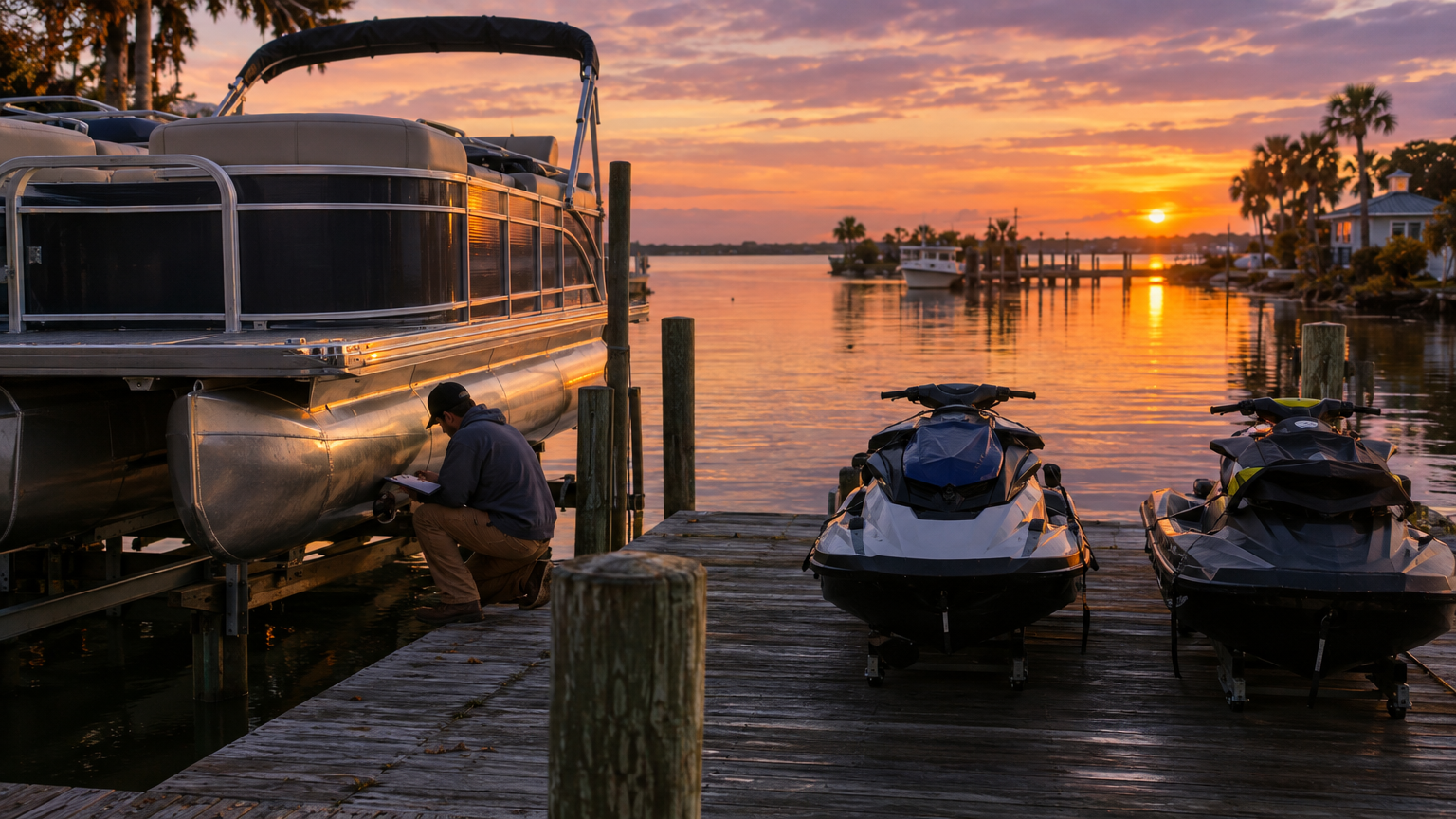
The last weekend of October on the Gulf Coast has a different feel. The crowds thin out, the water cools down, and the phone stops ringing at 7am. For pontoon and jet ski rental operators, this is the quiet window most people underuse. A few weeks of focused work right now determines whether you open spring scrambling or ready to take bookings from day one.
This checklist is for boat rental operators who want to use the off-season the right way, not just to store equipment, but to come back stronger.
1. Close Out Your Open Bookings Cleanly
Before anything else, make sure your books are squared away. Every completed rental should have a closed status, a collected balance, and a signed damage waiver on file. Chase any outstanding payments now while guests still remember the trip. If you took cash at the dock and logged it manually, confirm those records are accurate in your system.
Run a quick filter on your booking calendar for anything that shows as incomplete, awaiting deposit, or in a grey status. Rentals that close with messy records create accounting headaches in January and make it harder to see what you actually earned this season.
2. Audit Your Damage Waiver Coverage
Pull up your waiver setup and think honestly about how it performed this season. Did every renter sign before picking up the boat? Were there gaps where someone skipped the form and you handed over the keys anyway?
If your waiver process still has paper in it, clipboards at the counter, printed PDFs, handwritten signatures, the off-season is the right time to move that workflow digital. A digital rental agreement tied to each booking means the renter signs before they show up, the form is attached to their reservation, and you have a clean timestamp and record if anything goes sideways.
Review your actual waiver language too. Work with your attorney to confirm it still reflects your current fleet, your cancellation terms, and any new equipment you added this year. Update the template before spring.
3. Inspect and Document Every Hull
Walk every boat in your fleet before it goes into storage. This is basic, but most operators do it loosely. Do it with a phone in hand and photograph anything worth noting: scuffs, upholstery wear, mechanical issues, cracked gelcoat, worn cleats. Timestamp the photos and file them against each boat record.
This documentation matters in two directions. It tells your spring team exactly what condition each hull came out of storage in, and it gives you clear before-and-after evidence if a renter disputes a damage charge next May.
Flag any boats that need service before they go back on the water. Better to schedule that work now than to discover it during a busy holiday weekend.
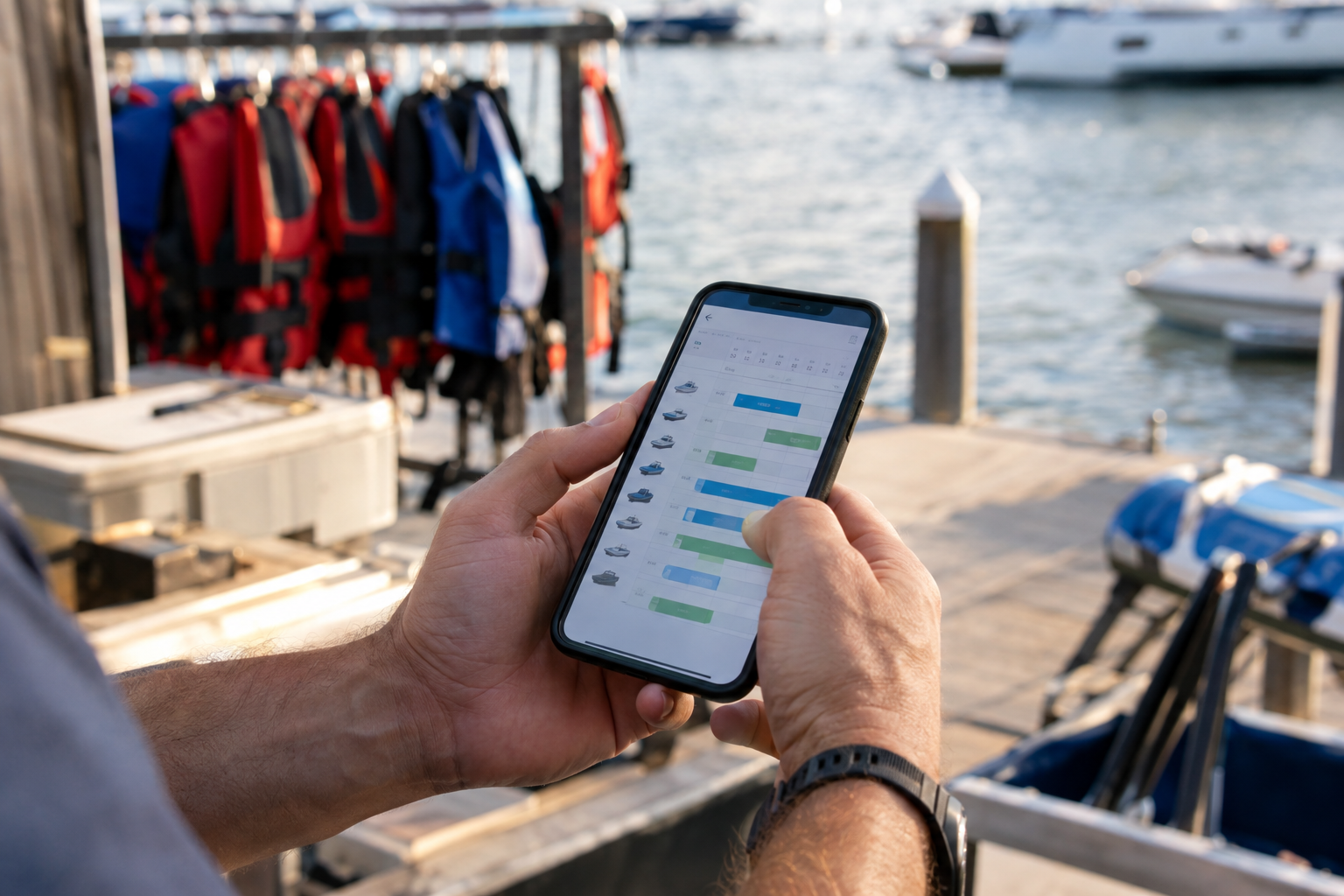
Managing your rental schedule from a phone means the dock stays organized even when things move fast.
4. Review Your Time Slots, Pricing, and Add-Ons
Look at your booking data from the season and ask a few straightforward questions. Which time slots sold out every weekend? Which ones barely moved? Did your half-day block underperform because the window was too short, or because the price point was off?
Now is the time to restructure those blocks before spring reservations open. If you added tubes, wakeboard rentals, fuel packages, or guided trips as add-ons, check your sales data to see which ones actually converted during checkout. Cut the ones nobody bought, and think about what else guests were asking for that you did not have set up.
Adjust your pricing now. Making changes in January when early-bird bookings are starting to come in is clunky. Making them in late October when your calendar is quiet is straightforward.
5. Set Up Your Spring Booking Calendar Early
Memorial Day weekend books faster than most rental operators expect. A consistent group of planners will search for availability in February and March, and if your calendar shows nothing available until you open it manually in April, those bookings go somewhere else.
Open your spring and summer inventory now. Set your availability windows, blackout your maintenance days, and get your seasonal pricing in place. If you run multiple launch points or have hulls spread across different locations, set each one up so they all feed the same real-time calendar. Renters who hit a sold-out slot at one location should see alternatives rather than a dead end.
6. Clean Up Your Customer Records
Your repeat renters are your most valuable segment. They already know your operation, trust the equipment, and skip the orientation questions. Before the off-season ends, make sure their records are accurate: email addresses, phone numbers, notes about their preferences, and any past issues worth knowing about.
If you have customers who rented three or four times this season and nothing distinguishes them in your system from a first-timer, fix that. A returning renter who gets recognized, even just by having their card on file and their damage waiver already signed, shows up next season feeling like a regular instead of a stranger.
7. Check Your Booking Page and Website
Pull up your public booking page the way a new customer would. Is the photo current? Does the description still match what you actually offer? Are the rental policies clear enough that someone could book without calling you first?
If a guest lands on your page at 9pm on a Tuesday and cannot figure out your deposit policy, your cancellation terms, or whether a specific boat fits their group, they move on. Use the slow months to tighten the copy, update the photos, and make sure the page answers the questions you answer by phone every season.
8. Plan Your Early Spring Marketing Now
Most rental operators wait until April to think about spring marketing. The ones who start in February capture a chunk of early planners that nobody else is competing for. Put a note on your calendar now to send a spring email to past renters in late January. Keep it short, reference their past rental if you can, and give them first access to your availability before you open it to new customers.
Local search visibility also compounds over time. If you have not asked satisfied renters to leave a review this season, do it now while the experience is still recent. Those reviews help you show up when someone searches for a pontoon rental in your area next March.
The Off-Season Is Operational Time
The best-run rental fleets do not just button up the boats in October and hope for a strong May. They use the quiet weeks to fix the gaps that showed up during the busy season: the unsigned waiver that slipped through, the add-on nobody bought because it was not visible at checkout, the calendar that did not open until three weeks before Memorial Day.
If your rental operation still runs on a binder and a whiteboard, this is a good time to change that. VrixPlay is free software built for pontoon fleets, jet ski stands, paddleboard rentals, and mixed beach gear operations. It handles availability by hull, damage waivers tied to each booking, QR check-in at the dock, and all your seasonal pricing in one place. No monthly fee, 3% per booking, and the setup is handled by the team in Destin, Florida.
See how it works for boat rentals and get ready to open spring strong.