How Tour Boat Operators Can Fill More Seats Without Relying on Walk-Ups
Tour boat operators lose pre-committed revenue every peak season by depending on walk-ups. Here's how per-seat online booking changes that math.
When Your Busiest Day Still Has Empty Seats
It is a Thursday evening in July and your 6 p.m. sunset cruise departs with eleven passengers on a boat that holds twenty-two. The dock was busy all afternoon. Dozens of people walked by with drinks in hand. Some of them looked right at your boat.
That scene plays out for tour boat operators every peak week. The demand is there. The boat is there. The disconnect is that most guests who would have loved that cruise never knew it was available, or found out about it too late to actually commit to a spot.
Filling seats is not just a marketing problem. It is a timing and visibility problem, and fixing it starts well before anyone shows up at the dock.
Walk-Ups Are Unpredictable by Definition
Walk-up traffic feels like free revenue. Someone sees your boat, asks what it costs, and hands you a credit card. That part is real. The problem is that walk-ups tell you nothing about what your day will look like until it is already happening.
If you launch with four confirmed guests and hope walk-ups fill the rest, you have no way of knowing whether to staff up, how much fuel to load, or whether a half-full trip is worth departing. Those decisions end up made at the last minute, which rarely produces the best answer.
Pre-booked seats change that math. When a guest reserves a spot online three days before the trip, they have committed. They paid a deposit. They received a confirmation. The chance they actually show up is significantly higher than the person who said they would probably be by around noon.
The Planning Window Is Longer Than Most Operators Use
Most guests booking a dolphin cruise, sandbar tour, or sunset charter are not making that decision the morning of. They are planning a beach trip days or weeks in advance, browsing their phones in the evenings, and looking for things to do before they ever pack a bag.
If your tour has no online booking option, those guests move on. They book with the operation that has a live calendar, a price on the page, and a reserve-your-seat button. They are not going to call a number and wait for a callback — not when three other options came up in the same search.
That planning window is your biggest underused sales opportunity. An online booking page is not just a convenience feature. It is the mechanism that captures revenue from guests who are actively looking, at the exact moment they decide they want to go.

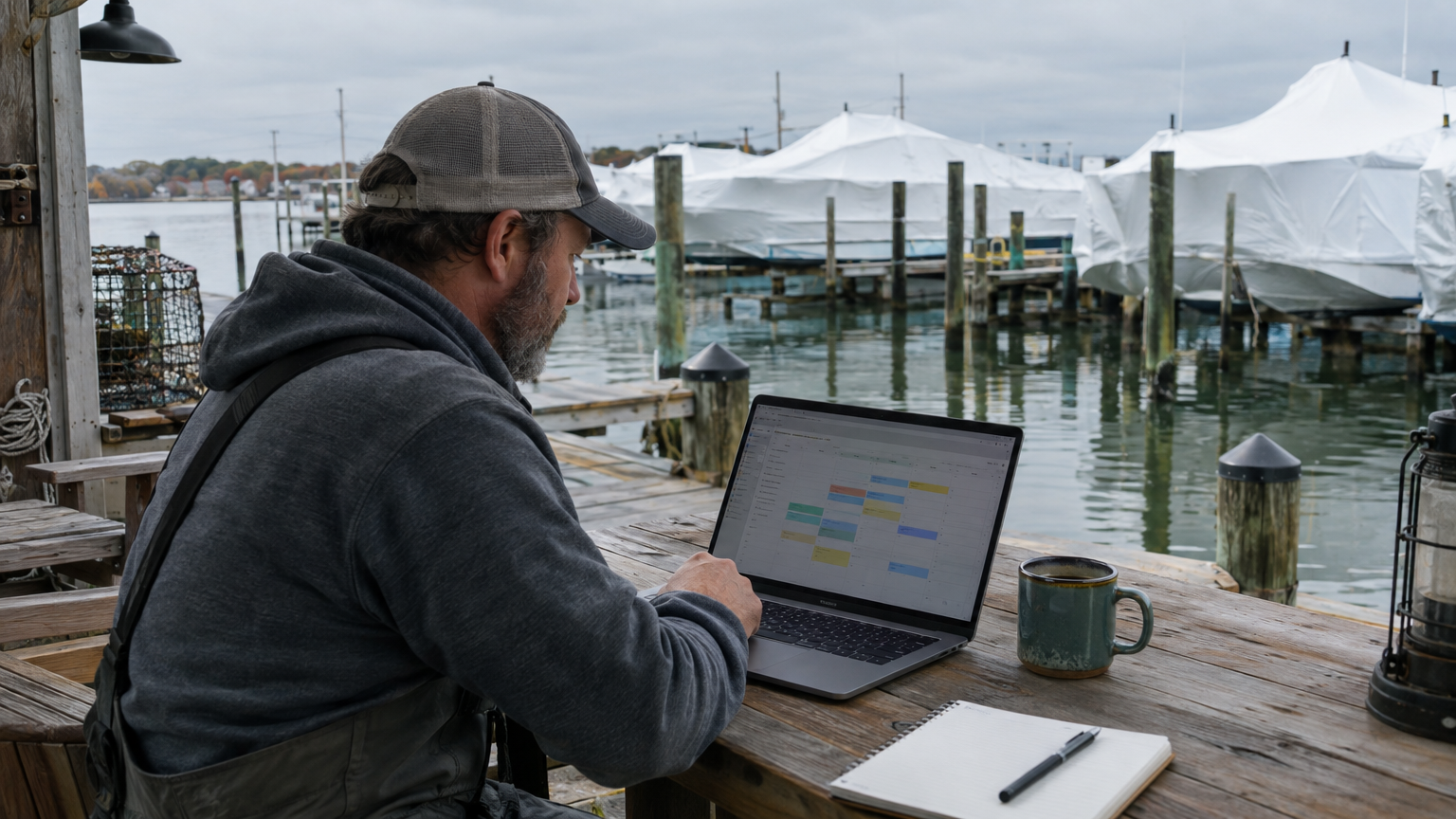
Reviewing departures before guests arrive is easier when the schedule was built by the bookings, not assembled from texts and sticky notes.
Per-Seat Ticketing: What It Actually Looks Like
Charter boats typically work on a whole-boat or head-count model. Tour boats — dolphin cruises, sandbar excursions, snorkel trips, sunset sails — sell individual seats. That distinction matters for how your booking flow needs to be built.
A per-seat setup lets you define a departure time, a maximum capacity, and a per-person price. Guests choose how many tickets they need, pay at checkout, and receive a confirmation. The system tracks available seats in real time. If you have twenty-two seats and fourteen are booked, the next guest sees eight remaining. No overselling. No awkward conversation at the gangway about how the trip is actually full.
Add-ons fit naturally in this model too. Snorkel gear, drink packages, or photo upgrades can appear as optional extras at checkout without complicating the core booking. The guest adds what they want, pays once, and arrives knowing exactly what their trip includes.
The Confirmation Email Is Part of the Guest Experience
Most booking confirmations do the bare minimum: here is your date, here is your time, arrive a few minutes early. That is a missed opportunity.
Guests booking a boat tour often have the same handful of questions. Where exactly do I park? What should I wear? Do you run the trip in light rain? Can my five-year-old come? If your confirmation email answers those questions before they think to ask, you cut day-of phone calls significantly. You also set a tone — this operator has everything handled, the trip is going to be great — that starts the guest relationship on the right note.
A strong confirmation email for a tour operation covers the departure time and exact meeting point, parking or drop-off directions, what to bring, your weather policy, and any waiver or health screening they need to complete before arriving. Keep it practical and specific, not a wall of fine print.
Waivers Before the Gangway, Not At It
Most tours with any safety element — snorkeling, offshore water, powered craft — require a liability waiver. Collecting those at the dock is the least efficient version of that process. It backs up boarding, creates a paperwork moment in what should be an exciting departure, and sometimes means guests are still signing while you are trying to cast off on time.
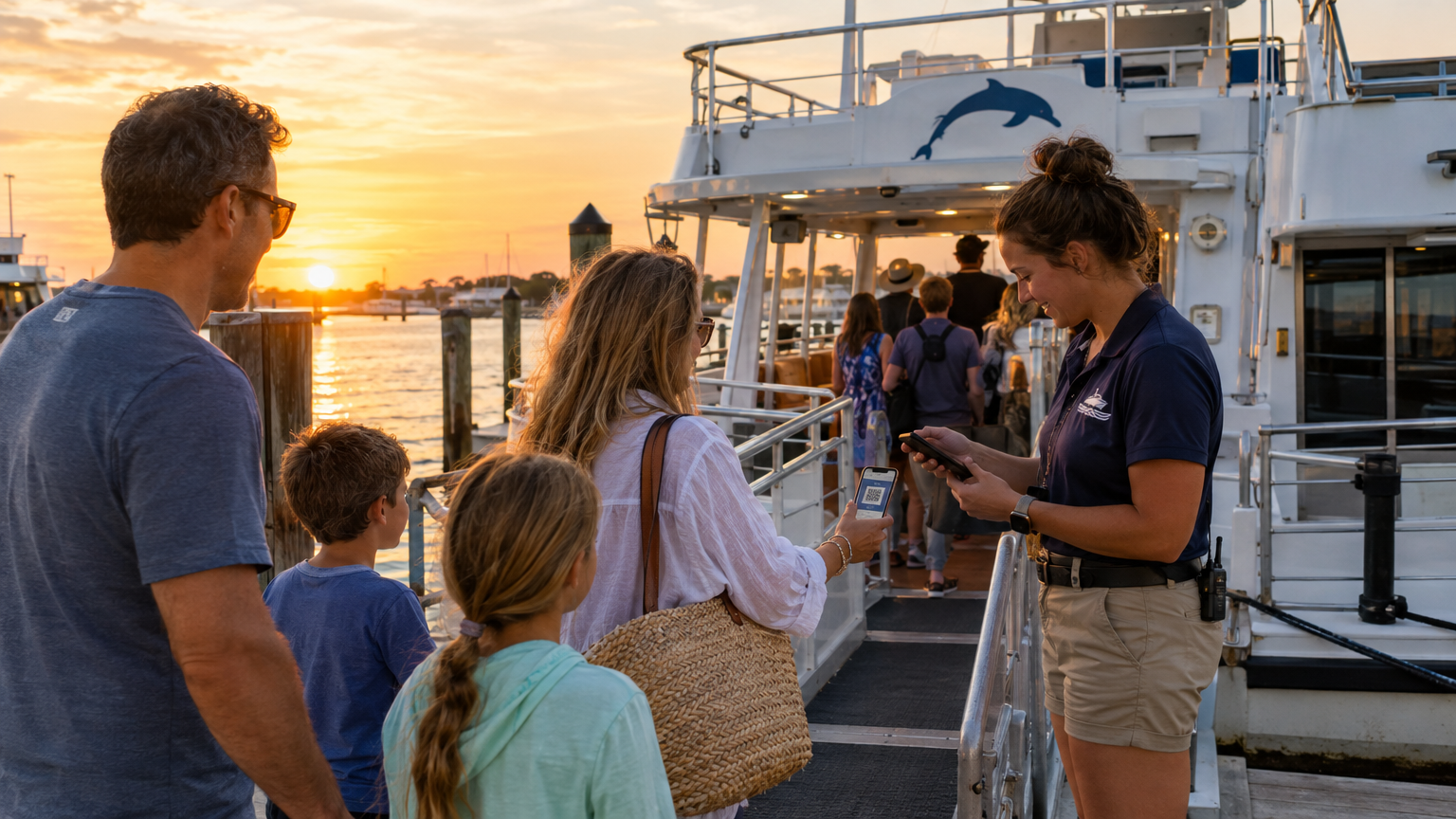
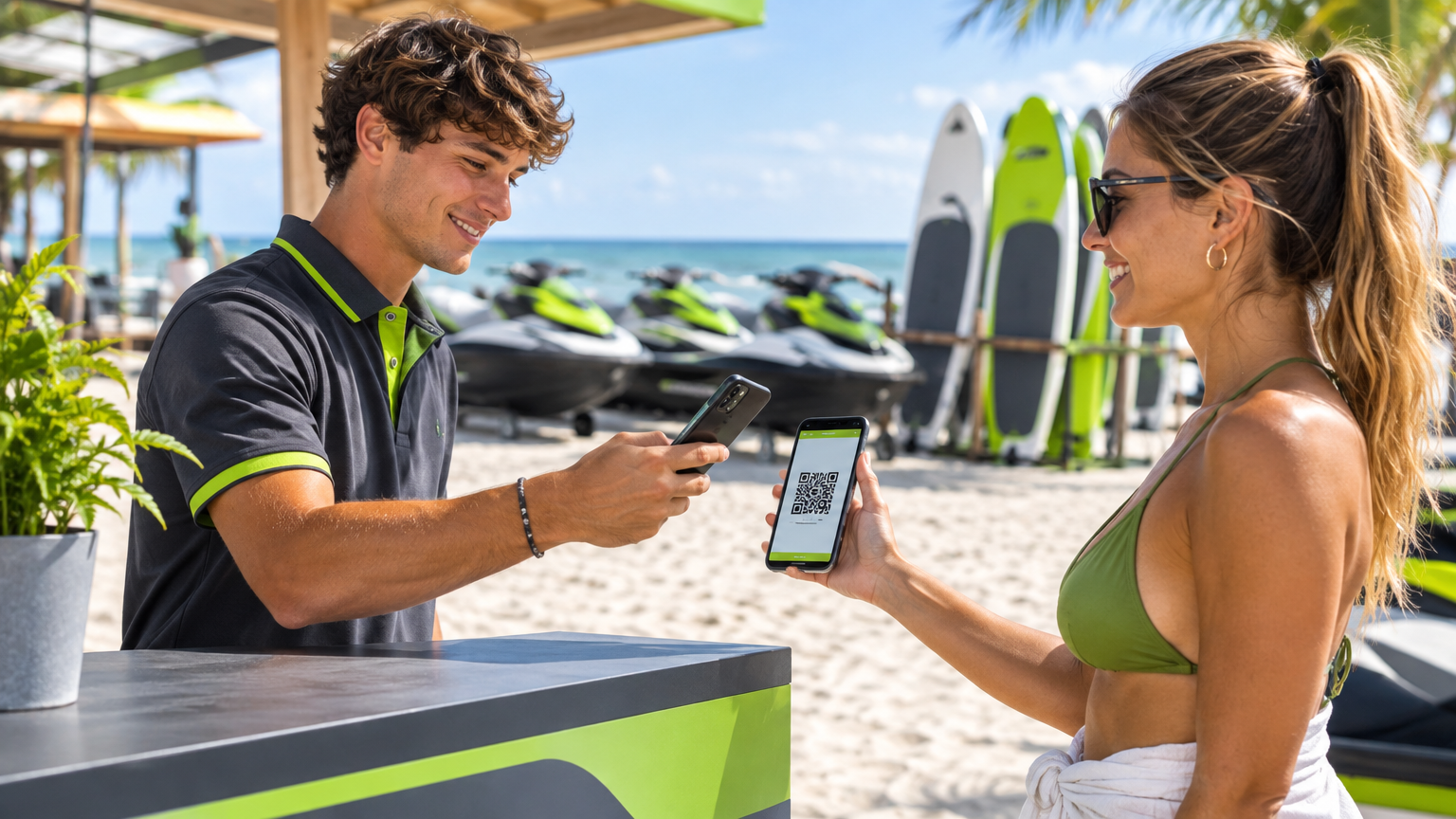
Digital waivers tied to the booking eliminate that friction. The waiver link goes in the confirmation email. Guests sign from their phones before they ever arrive — in the car on the way over, at breakfast, the night before on the condo balcony. By the time they reach your gangway, it is done. Your crew can see at a glance who has signed and who still needs to, without hunting for a clipboard while the tide is moving.
Walk-Ups Still Work — They Just Live in the Same System
Moving to online booking does not mean turning away guests who show up at the dock. It means entering walk-up bookings into the same system as your pre-booked ones.
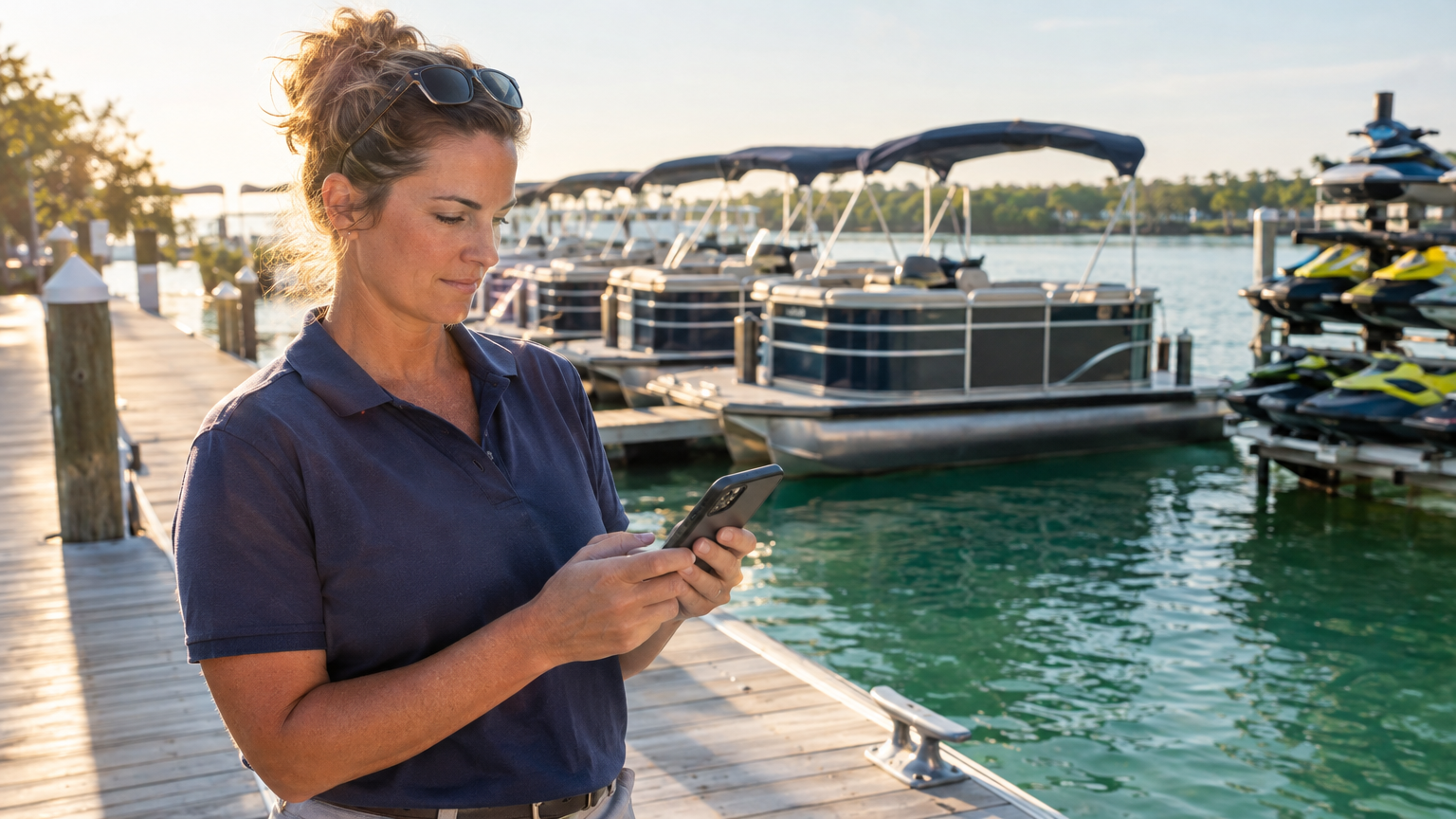
When a guest walks up, you add them from your phone. You collect payment, assign their seat, and the capacity count adjusts. If you had eighteen pre-booked and two walk-ups with two seats remaining, you end the day with a full boat and a clean record — not a split between a filled booking system and a cash log on a notepad that may or may not match your actual revenue.
The goal is not to eliminate walk-ups. It is to run every booking, regardless of how it came in, through the same system so your manifest is accurate and your end-of-day numbers actually reflect the day you ran.
Start With the Trips That Fill First
If you operate multiple tours — a morning snorkel, an afternoon dolphin cruise, a sunset sail — you do not need to build every departure out before going live. Start with the trips that fill the fastest or generate the most revenue per seat.
Get those live with online booking, run them for a few weeks, and pay attention to two things: when reservations come in, and how those guests behave compared to walk-ups. Most operators notice a pattern quickly — bookings that come in between 9 p.m. and midnight, guests who arrive more prepared and more eager, reviews that reflect a smoother experience from start to finish.
That is the quiet upside of a pre-booked operation. It is not just more revenue. It is a different kind of guest relationship, one that starts before they ever step foot on the boat.
Free Software Built for Tour and Cruise Operators
VrixPlay includes per-seat ticketing, digital waivers, QR check-in, and direct Stripe payouts as part of its free platform for tour and cruise operators. No monthly subscription, just a flat 3% per booking that many operators pass to guests at checkout.
If you run dolphin cruises, sandbar tours, sunset sails, snorkel trips, or any experience where you sell individual seats on a boat, it takes about an afternoon to set up your first departure and go live. The first time a guest reserves a seat on your 6 p.m. cruise from their phone at midnight the week before — that is when the case for pre-booked seats stops being theoretical.