Fishing Charter Deposits: Build a Policy That Protects Revenue
A fishing charter deposit policy covers the amount, cancellation terms, and balance collection. Here is how to build one that protects your revenue every season.
Fishing Charters, Booking, Deposits
Fishing Charter Deposits: Build a Policy That Protects Revenue
A fishing charter deposit policy should collect enough money to make guests commit without scaring them off. For most operators, that means a charter deposit amount between 25 and 50 percent of the total trip price, paid at booking. Less than that does not change behavior. More than that can slow bookings. A solid policy answers three simple questions in plain language: how much is due now, what happens if they cancel, and when the remaining balance will be collected. Get those three points clear and in writing, and you will cut no-shows, stop awkward dockside payment talks, and know exactly what you are owed before you leave the slip.
Why a Clear Deposit Policy Is Not Optional
Running trips without deposits works right up until the morning a full-boat charter does not show. You bought fuel, ice, and bait. You turned away other groups. Now the boat sits at the dock and you eat the cost. That is what happens when your business runs on trust instead of written commitment. A deposit creates a real financial stake for the guest. Someone who paid 30 percent up front is far less likely to cancel at midnight or just disappear. Industry guides and booking platforms now treat deposits as standard, not a nice extra (see trends summarized from guidewinds.com and junglebee.com). A clear written policy also removes arguments. When the rules are vague, every cancellation turns into a debate. When the policy is specific, you can point to what they agreed to and move on.
How to Build a Fishing Charter Deposit Policy
A strong fishing charter deposit policy comes from four clear decisions. Make each one once, write it down, and use it on every booking unless you choose to make an exception for a specific guest or situation.
Deposit amount
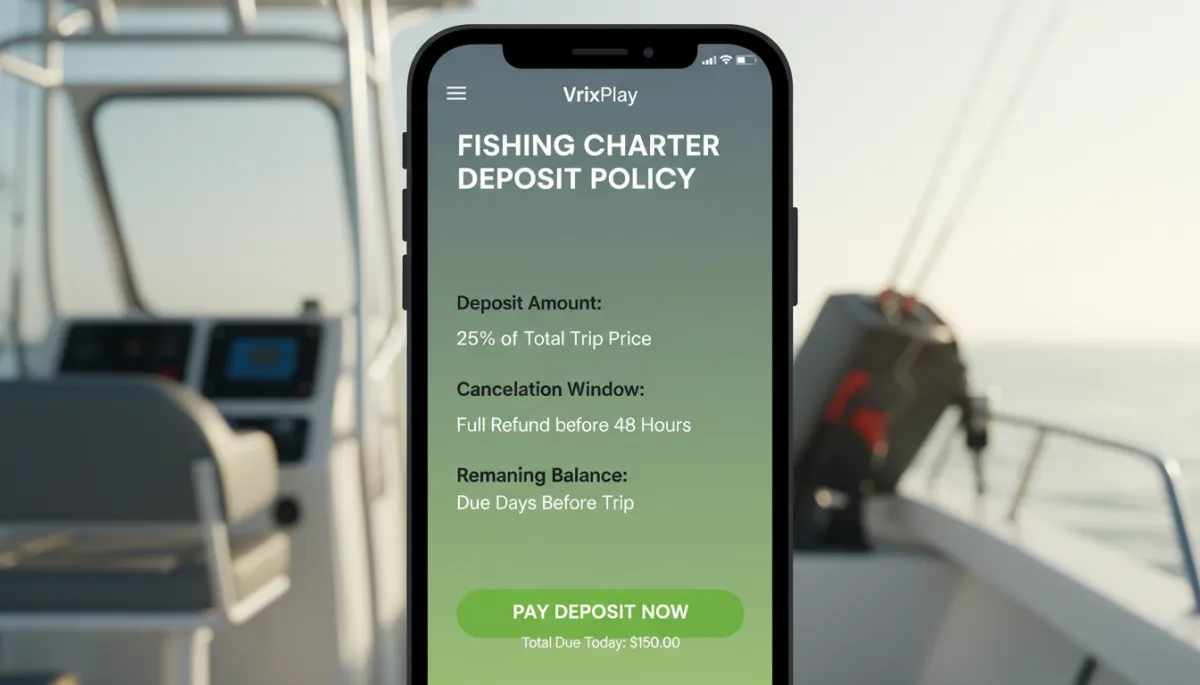
For most charters, 25 to 50 percent of the trip price is the right range. Use the lower end for short inshore trips where your fuel and bait costs are modest and you can often rebook the day. Use the higher end for offshore or multi-day trips where you burn serious fuel, buy more bait, and block the calendar. Very low deposits, like 10 percent, rarely change behavior. Guests will walk away from that without thinking. A meaningful charter deposit amount tells them you are holding that date for them and expect them to show up or cancel on time.
Cancellation window
Decide how close to the trip a guest can cancel without losing the deposit. A common range is 48 hours to 14 days. Short inshore trips often use 48 to 72 hours. Offshore or multi-day trips often use 7 to 14 days. The key is to define it clearly. For example: “Cancel at least 72 hours before departure for a full refund of your deposit.” Do not write “cancel within a reasonable time.” That invites arguments about what reasonable means. Pick a number, write it, and stick to it unless you choose to make a one-time exception for goodwill.
Refund terms by scenario
Spell out what happens in the main situations:
Guest cancels before the deadline: You can offer a full refund, a partial refund, or a credit toward a future trip. Many operators like full refund here because it encourages early, honest communication and gives you time to rebook the date, which lines up with advice from fishingcharterbusiness.com on managing expectations.
Guest cancels after the deadline: State that the deposit is forfeited. You held the date, turned away other groups, and have real costs. If you rebook the date, you can choose to apply some or all of that deposit as a credit, but keep that as your choice, not a promise.
Captain cancels for weather or safety: Make this simple and generous. Offer a full refund of the deposit or a free reschedule. Weather is the one area where most captains loosen the rules to build trust and repeat business, which matches guidance from charterindustrynews.com and similar sources.
No-show: If the group does not show and does not contact you, the deposit is forfeited. Put that in plain words. You cannot sell that time again once the boat should already be off the dock.
Balance collection timing
Do not rely on “we will settle up at the dock.” That is where cards decline, guests “forget” wallets, and you are trying to chase payments while loading gear. Instead, collect the remaining balance through an online payment link 1 to 2 days before the trip. That gives guests time to fix card issues and gives you clear visibility on who is fully paid before you buy fuel and bait. Modern charter payment tools and Stripe deposit flows make this normal for guests who are used to paying online for travel.
What to put in writing
Your policy only works if guests see it before they hand over a card. Give them three clean exposures:
On the booking page next to the “Book now” button.
In the confirmation email that goes out when the deposit is paid.
In the waiver, with a place for the guest to sign or click to acknowledge they read and accept the deposit and cancellation policy.
Setting Up Your Deposit Policy: A Step-by-Step Checklist
Choose your deposit percentage. Look at your real variable costs per trip: fuel, bait, ice, mate pay. Set a deposit between 25 and 50 percent that covers those costs and gives guests skin in the game. Offshore and multi-day trips should sit near the top of the range.
Write cancellation terms in plain language. Avoid legal phrases. Write like you talk on the dock: when guests can cancel, what they get back, what happens for late cancellations, weather, and no-shows. Keep it short enough that people actually read it.
Add the policy to your booking page. Put it directly under the price and date picker, not buried in a separate page. Guests should see the deposit and cancellation policy before they click to book or pay a Stripe deposit.
Include terms in the confirmation email. When a guest books, the email they receive should restate the charter deposit amount paid, the remaining balance, the due date, and the key parts of your cancellation policy. That email becomes your paper trail if there is a dispute later.
Put the policy in your waiver. Add a short section that summarizes the deposit, cancellation, and balance collection rules and have guests sign or tap to accept. This closes the loop and shows they agreed before stepping on the boat.
Set up automated balance collection. Use a booking platform that sends payment links before the trip. That way you are not texting card details back and forth or swiping cards at the dock. Automation keeps you on the water instead of in the office.
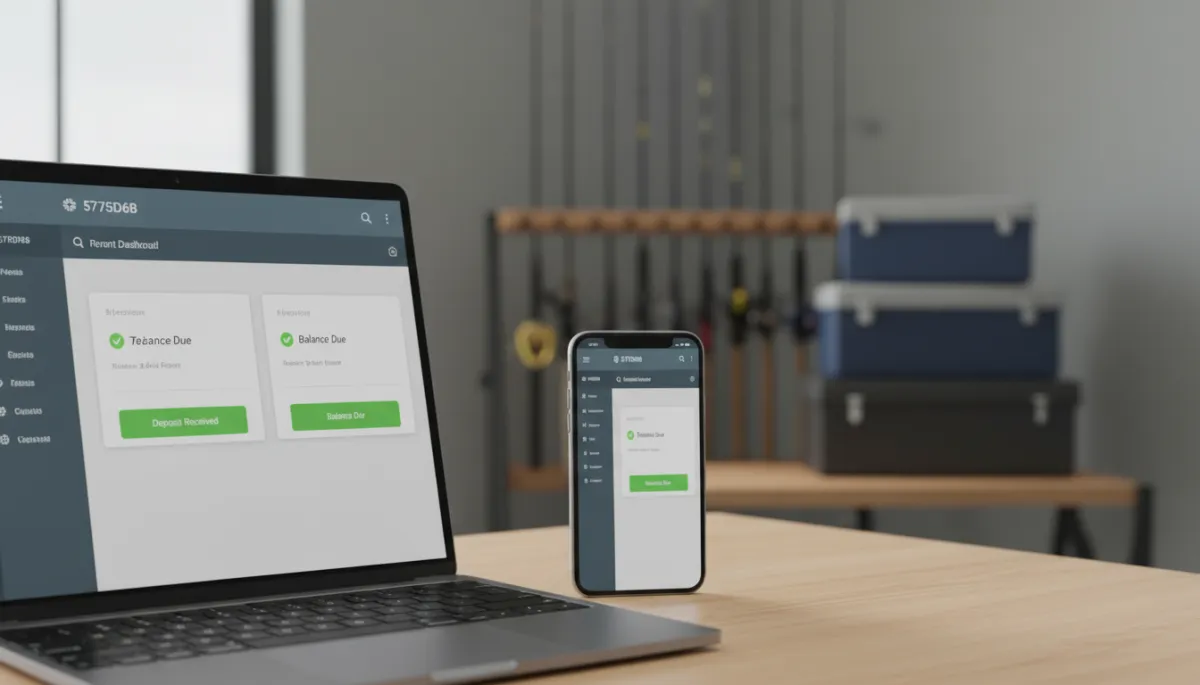
Clear deposit and balance status helps you plan fuel, crew, and calendar with confidence.
How VrixPlay Handles Deposit Collection and Balance Tracking
VrixPlay is a free charter fishing booking platform that keeps deposit and balance collection simple. At checkout, VrixPlay processes the charter payment through Stripe. The guest pays the deposit you set, and they receive an automatic confirmation that shows the deposit amount, the balance due, and the date the balance will be charged or collected. Before the trip, VrixPlay sends an automatic payment link so guests can pay the rest online. When the balance clears, the booking status updates so you know that trip is fully paid. The platform is free per month with a flat 3 percent per booking. It is built mobile-first, so you can check open balances, send links, and confirm payments from your phone at the dock. Start free, no card required.
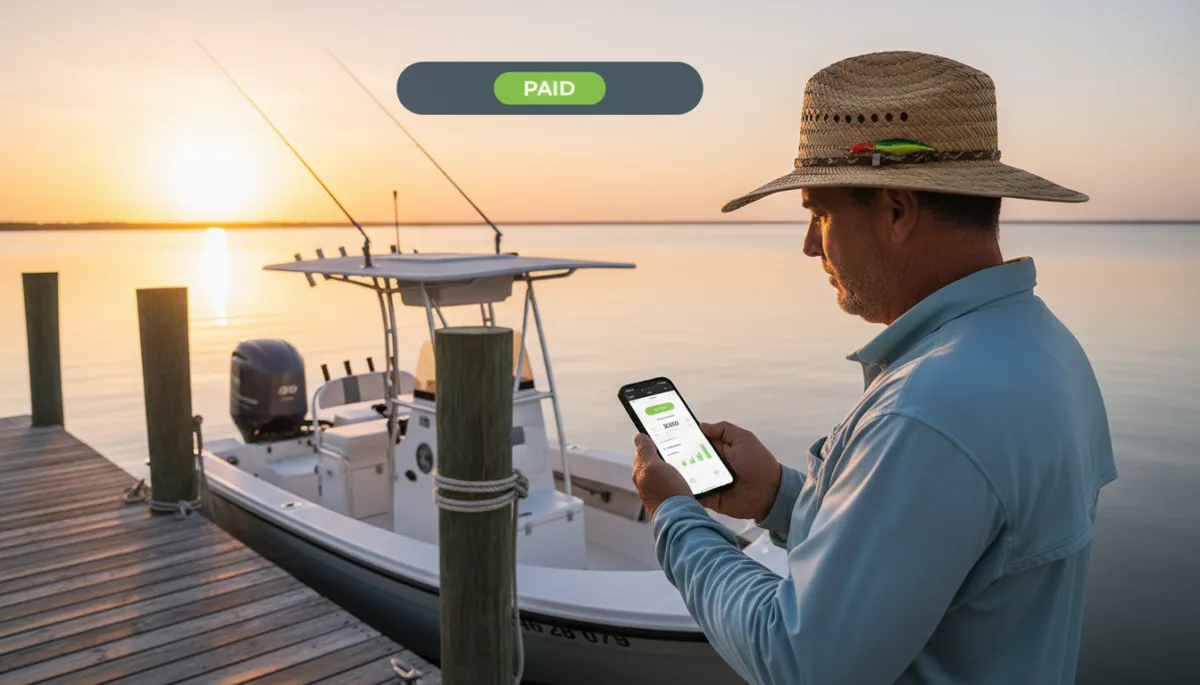
Knowing every guest is paid up before leaving the dock keeps your focus on the bite.
Frequently Asked Questions
How much deposit should a fishing charter require?
Most captains use 25 to 50 percent of the total trip price as the deposit. Short inshore trips can sit closer to 25 percent. Offshore or multi-day trips often sit closer to 50 percent to cover higher fuel and bait costs and hold the date. The key is making the deposit large enough that guests take the booking seriously.
When should charter guests pay the remaining balance?
Collect the balance before the trip, not at the dock. A clean approach is to send an online payment link 1 to 2 days before departure. That gives guests time to fix card issues and gives you confidence that the trip is fully paid before you buy fuel and bait. Dockside collection should be the exception, not the plan.
What happens to a deposit if the captain cancels for weather?
In most markets, the clean standard is a full refund or a free reschedule when you cancel for weather or safety. Put that in your cancellation policy so guests know you will not keep their money if you cannot run the trip. Being fair on weather builds trust and makes it easier to hold firm on late cancellations and no-shows.
Should a deposit policy be included in the waiver?
Yes. Your waiver is one of the few documents every guest actually signs. Include a short section that states the deposit amount, your cancellation window, what happens for late cancellations and no-shows, and how the balance is collected. Having guests sign off on those terms reduces disputes and gives you clear proof of what they agreed to.
Build the Policy Once, Protect Revenue Every Season
A tight fishing charter deposit policy turns bookings into real commitments and keeps you from working for free. Decide your deposit amount, cancellation terms, and balance collection once, write them down, and let your booking system handle the rest. VrixPlay makes that easy while staying out of your way. Start free, no card required.