How to Sell Fishing Charter Gift Cards This Holiday Season
Gift cards are one of the easiest revenue wins of the year for charter operators. Here is how to set up, promote, and redeem fishing charter gift certificates before the holiday rush ends.

Every November, a predictable thing happens to fishing charter operators: the phones go quiet. Trips thin out. Revenue that was rolling in through September starts to feel like something that belongs to another season.
What most captains miss is that November and December are not actually dead months for their business. They are a different kind of booking season, one where the customer is not the angler but the angler's spouse, parent, kid, or best friend. And that customer is standing in front of a screen right now, trying to figure out what to give someone who already has too much gear and does not need another fleece.
A fishing charter gift card answers that problem directly. It sells an experience, not a thing. It is easy to send. And for operators who set it up correctly, it generates real revenue in the off-season from people who would never have booked a trip for themselves.
Here is what a working gift card setup looks like and how to get yours moving before the holiday window closes.
Why Charter Gift Cards Work Better Than People Expect
The skeptic's take on gift cards is that they just delay a booking that would have happened anyway. That is not what experience businesses actually find. Gift cards expand the customer base by reaching buyers who would never have found your booking page on their own. The trip itself still happens, usually in late winter or spring, which is exactly when you want the calendar to fill before peak season starts up again.
There is also a financial reality that works in your favor. A meaningful percentage of gift cards are never redeemed. The holder misses the window, the trip never gets scheduled, or life gets in the way. You keep that revenue either way. For a small fleet, even a modest gift card program can represent significant collected revenue before a single line hits the water in the new year.
The other thing gift cards do that operators underestimate: they introduce new households to your operation. The person who receives the gift and comes aboard for the first time often becomes a repeat customer, or they tell the friends in the group about you. One gift card sale can produce years of direct bookings.
What You Actually Need to Set It Up
A gift card program for a charter business does not need to be complicated. At the simplest level, you need three things: a way for someone to purchase a gift card, a way for the recipient to redeem it when they book, and a record that ties the two together so nothing gets lost.
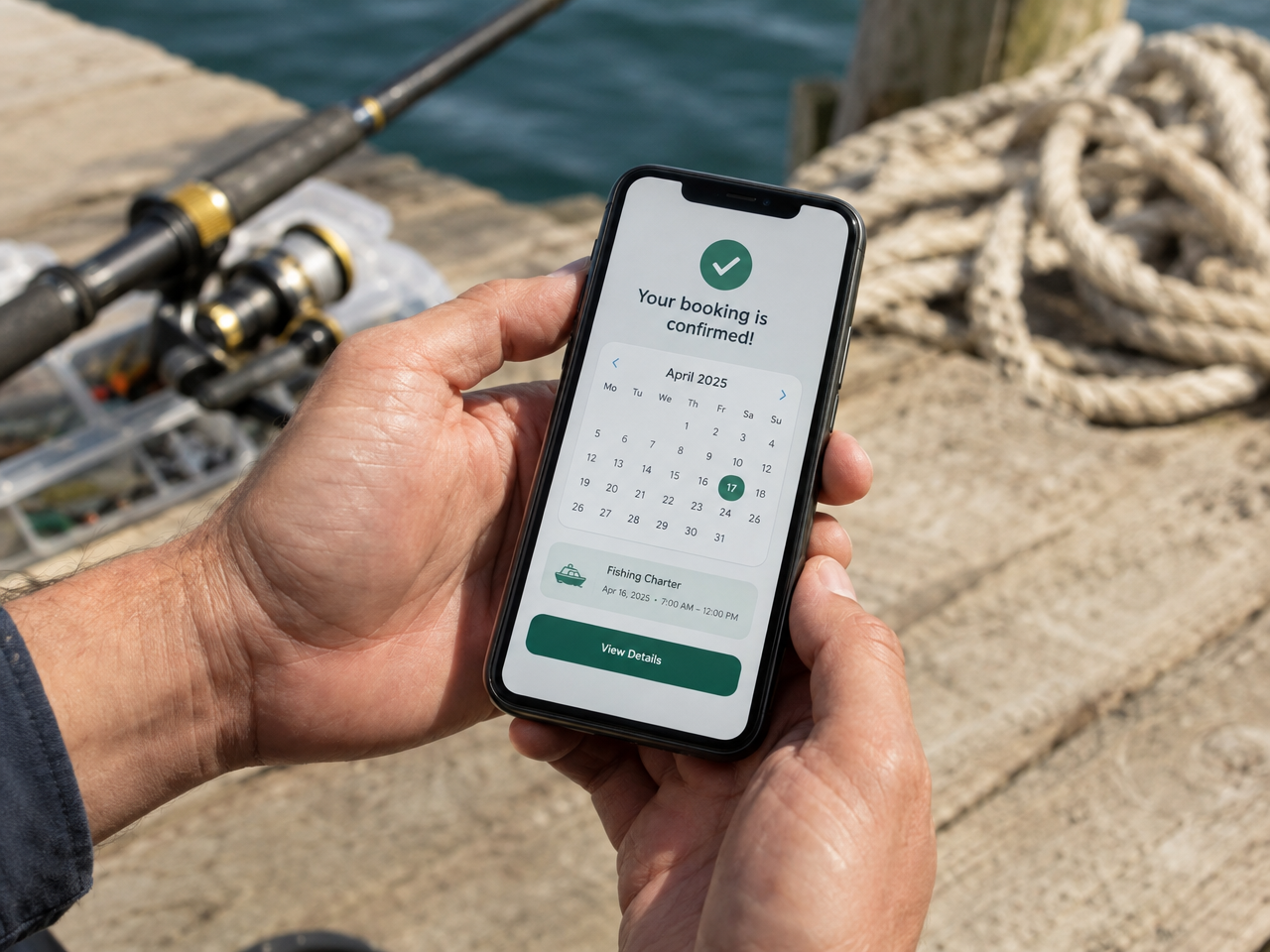
The cleanest version of this is a booking link that takes payment and sends the buyer a confirmation with a code or a certificate the recipient can forward or print. The recipient brings that code to your booking page, applies it, and the deposit is covered. Your system marks the value as used.
If your current setup does not support that natively, a manual process works too, especially at the start. Accept payment by card through a payment link, note the amount against a guest record, and track redemption in your bookings. It is a little more admin, but it is fully functional and you can tighten the process as volume grows.
Whatever the mechanism, keep it as simple as possible for the buyer. One click to purchase, one email delivered, one clear instruction for the recipient. Any additional friction at the purchase stage costs you sales.
How to Promote Gift Cards Without Overcomplicating It
Most charter operators have more distribution than they realize. You have a list of past guests. You have people following your social accounts. You have anyone who has landed on your website in the last year looking at trip dates. That is your audience, and they are already warm because they know what a day on your boat looks like.
A short email to past customers is usually the highest-return action you can take. The message does not need to be long. Something like: If you know someone who belongs on the water, we have gift cards available through the holidays. A trip on board makes for a hard-to-beat gift. Include the link and the price range for your most popular trip types. That is it.
On social, real photos perform better than designed graphics. A shot of a happy group holding up a catch, or a quiet sunrise over the boat at the dock, does more than a festive gift card template. Add a caption that makes the value plain and ends with a clear next step.
A few other channels worth using:
- Your booking confirmation emails. Anyone who books a trip between now and the end of the year sees a mention of gift cards. It is a natural context because they just had a great experience and thought it was worth their money.
- Your Google Business Profile. You can add a gift card link directly to your profile listing. Anyone searching for fishing charters in your area sees it in the sidebar without even clicking through to your site.
- A pinned post on Instagram or Facebook. Keep the gift card offer visible at the top of your profile for the full holiday season, not just the first week you announce it.
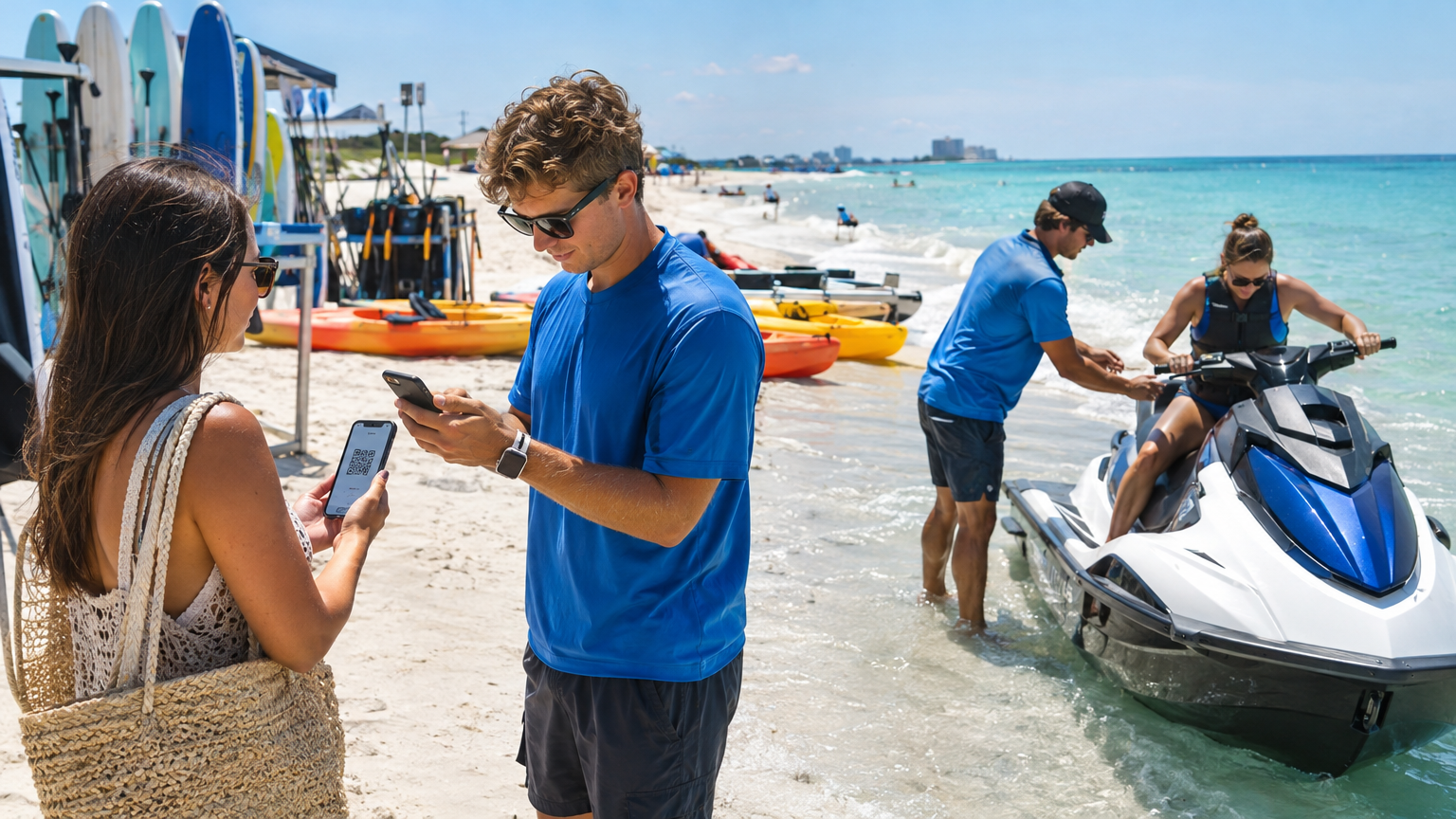
- Local partnerships. Fishing shops, marina retail areas, and tourism offices sometimes promote local experience businesses. A simple one-pager with a QR code to your purchase link can sit on a counter and do quiet work for six weeks.
Choosing the Right Price Points
The easiest mistake with charter gift cards is pricing them in a way that confuses the buyer. Someone purchasing a gift does not want to do math. They want to buy something meaningful at a price that makes sense and feel confident they got it right.
A few options that tend to work well:
Fixed-value cards tied to trip types. Gift a half-day inshore trip at a set price, or a full-day offshore charter at another. The buyer knows exactly what they are purchasing and the recipient knows exactly what they are redeeming. There is no ambiguity.
Flexible dollar-value cards. Useful if you run multiple trip types at different price points or if you want the buyer to choose an amount that fits their budget. These can be applied toward any trip, with any remaining balance settled at booking.
A deposit-only card. Some operators sell gift cards that cover only the deposit, with the recipient paying the balance when they book. This lowers the entry price for the buyer while still getting a confirmed customer in your pipeline.
Whatever structure you choose, display prices clearly next to your trip descriptions so buyers can match what they want to give to what it costs without having to call you to find out.
Managing Redemptions Without a Headache
The back end of a gift card program is where things can go sideways if you do not have a system. The most common problems are duplicate redemptions, lost codes, and balances that are hard to track when someone books a trip four months after the original purchase.
A few practices that keep it clean:
- Assign each gift card a unique reference code, even if it is just a short alphanumeric string you generate manually. This gives you and the guest something specific to look up when they call to book.
- Record the gift card value against a guest record in your booking system as soon as it is purchased, not when it is redeemed. That way the balance exists before the guest contacts you.
- Set a clear expiration policy and communicate it at purchase. Twelve months is a reasonable and common window. Some states have rules around gift card expiration, so confirm what applies in your area before you set the terms.
- When a guest redeems, apply the value to the booking and mark it used in the same step. One record, one place, no separate tracking sheet to reconcile later.
VrixPlay keeps your bookings, guest records, and payment status in one dashboard that your crew can pull up from a phone at the dock. When a guest arrives having booked with a gift certificate, their deposit status is already recorded, their waiver is visible, and the morning check-in moves quickly. Free to use at a flat 3 percent per booking.
The Window Is Short
The peak buying window for holiday gifts runs roughly from now through the third week of December. That is about seven weeks. After that, last-minute buyers are still out there, but volume drops sharply.
If you wait until mid-November to put a gift card option in front of people, you have already missed a meaningful portion of the season. Getting your setup functional this week, even if it is a simple payment link and a manually tracked system, puts you in position to capture sales that would otherwise go to a restaurant gift card or another forgettable box of something.
You do not need a polished product launch. You need a payment method, a clear price, and a message to your past customers. Start there. Refine as you go.
The angler on your customer list has a spouse, a parent, or a friend who is out there right now trying to find the right gift. Make it easy for them to find yours.
VrixPlay is free booking and operations software built for fishing charter operators, boat rentals, and marine experience businesses. Free software, 3 percent per booking. Learn more at vrixplay.com.