How Tour Boat Operators Keep Revenue Flowing in the Slow Season
Tour boat revenue doesn't stop when summer crowds thin out. Here's how cruise operators fill their schedule and protect income through the off-season.
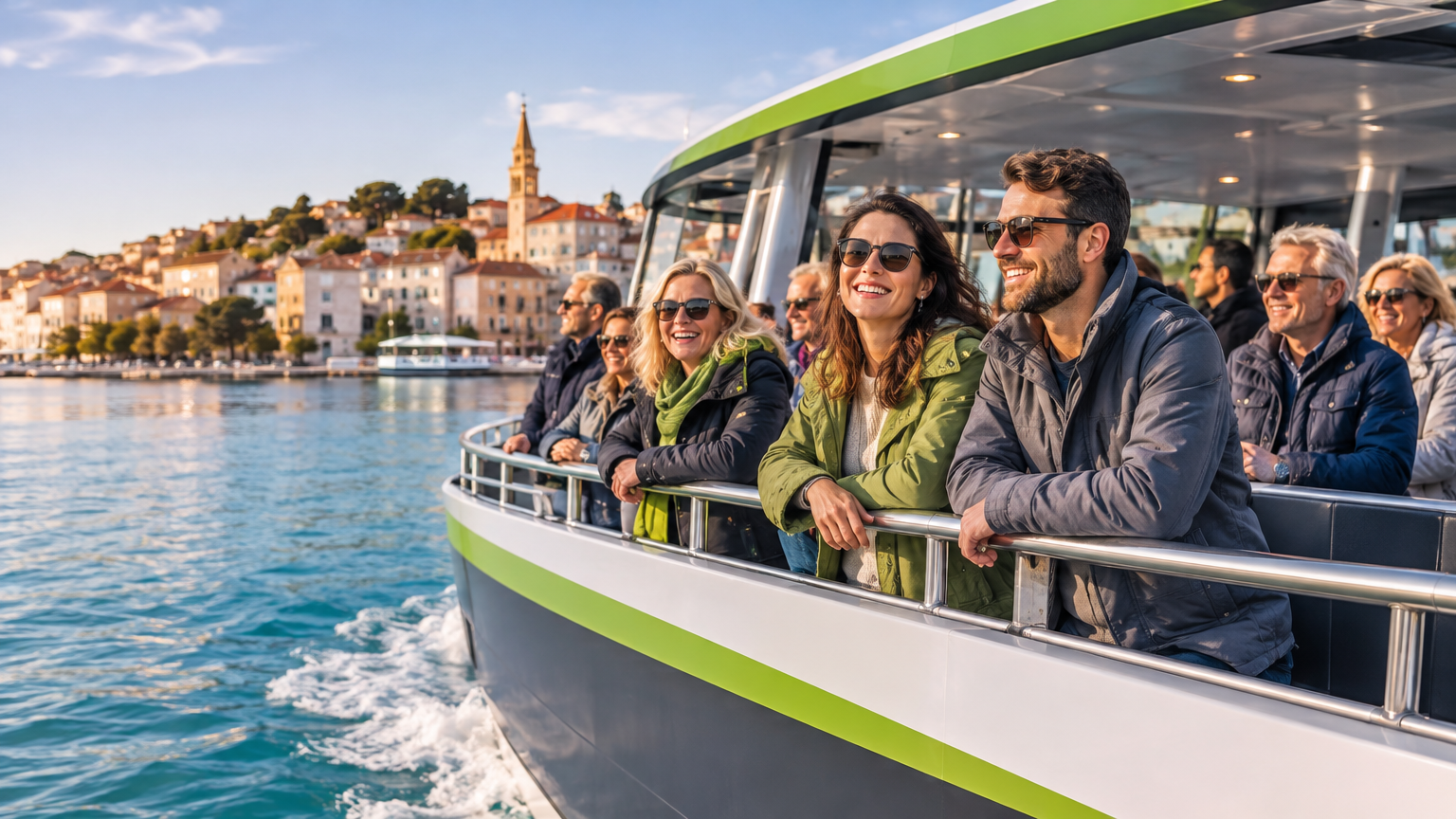
The last big weekend of summer ends, the beach crowds drive home, and suddenly a tour boat calendar that was booked solid in July has white space stretching to March. It happens every year. Most operators treat the slow season as something to survive. The ones who build sustainable businesses treat it as something to plan for — before it starts.
If you run dolphin cruises, sunset sails, snorkel trips, or any kind of tour boat operation on the Gulf Coast or any coastal market with a real shoulder season, here is a practical look at how to keep revenue moving when the peak crowd is gone.
Understand What Actually Changes in the Slow Season
Demand does not disappear — it shifts. The vacationing family of five booking a dolphin cruise in August becomes a local couple celebrating an anniversary in November. The bachelor party becomes a corporate team outing. Holiday travelers, snowbirds, and local residents make up a quieter but real customer base, and they book differently.
They book closer to the date. They respond more to email and social media than to marketplace listings. They look for private experiences and are often willing to pay more for them. Understanding this shift is the first step to filling your schedule instead of just waiting for spring.
Build a Holiday Cruise Before the Holiday Gets Here
If you are going to offer a Thanksgiving sunset sail, a Christmas lights cruise, or a New Year's Eve private charter, you need to have it bookable now — not three days before the event. Local customers plan ahead more than operators expect, especially for group outings and gifts.
A purpose-built holiday cruise package does not need to be complicated. A fixed departure time, a defined guest count, and a price that reflects the experience is enough to put it online and start collecting deposits. The framing matters: "Holiday Lights Sunset Cruise" gets more traction than "Charter Available December 20."
Shift Your Availability Toward Private Bookings
Shared seat ticketing makes sense when you can fill a 40-seat vessel with walk-ups and online strangers. In November and December, that becomes harder. The alternative is not to lower the per-seat price and hope — it is to pivot toward private charters.
Private bookings come with different math. A corporate group that takes your whole boat for three hours is not comparing your per-seat price to anyone else. They are comparing the experience, the convenience, and whether you responded to their inquiry within the hour. Speed and presentation matter more than price in that segment.
Block out a few private-only slots in your schedule during the slow season and market them specifically to corporate groups, local event planners, and anniversary or birthday inquiries. If your booking system lets you gate packages as private-only, use it.
Use Gift Cards to Book Future Revenue Now
Gift card season runs from mid-November through Christmas. For a tour boat operator, a gift card is not just a revenue source — it is a future booking guarantee. Someone who receives a "Sunset Cruise for Two" gift card in December is almost certain to use it, and they will bring friends.
The practical side of making gift cards work is making them easy to find and buy. A link in your email signature, a post on Instagram the week before Thanksgiving, and a note on your booking page during November and December can generate meaningful volume without any ad spend.
Collect Deposits to Hold Dates, Not Just Bookings
Slow-season no-shows sting more than summer ones. When you are running a smaller crew and a half-empty boat represents real lost money, protecting your confirmed revenue matters. Requiring a deposit — even a modest one — filters out casual inquiries and locks in serious customers.
The deposit does not need to be large to work. For most tour operators, 25 to 30 percent of the trip total is enough to signal commitment. The key is having a clear policy: what happens if they cancel, what happens if the weather turns, and how they pay the balance before or at arrival. Communicating that policy in the booking confirmation removes the awkward conversation at the dock.
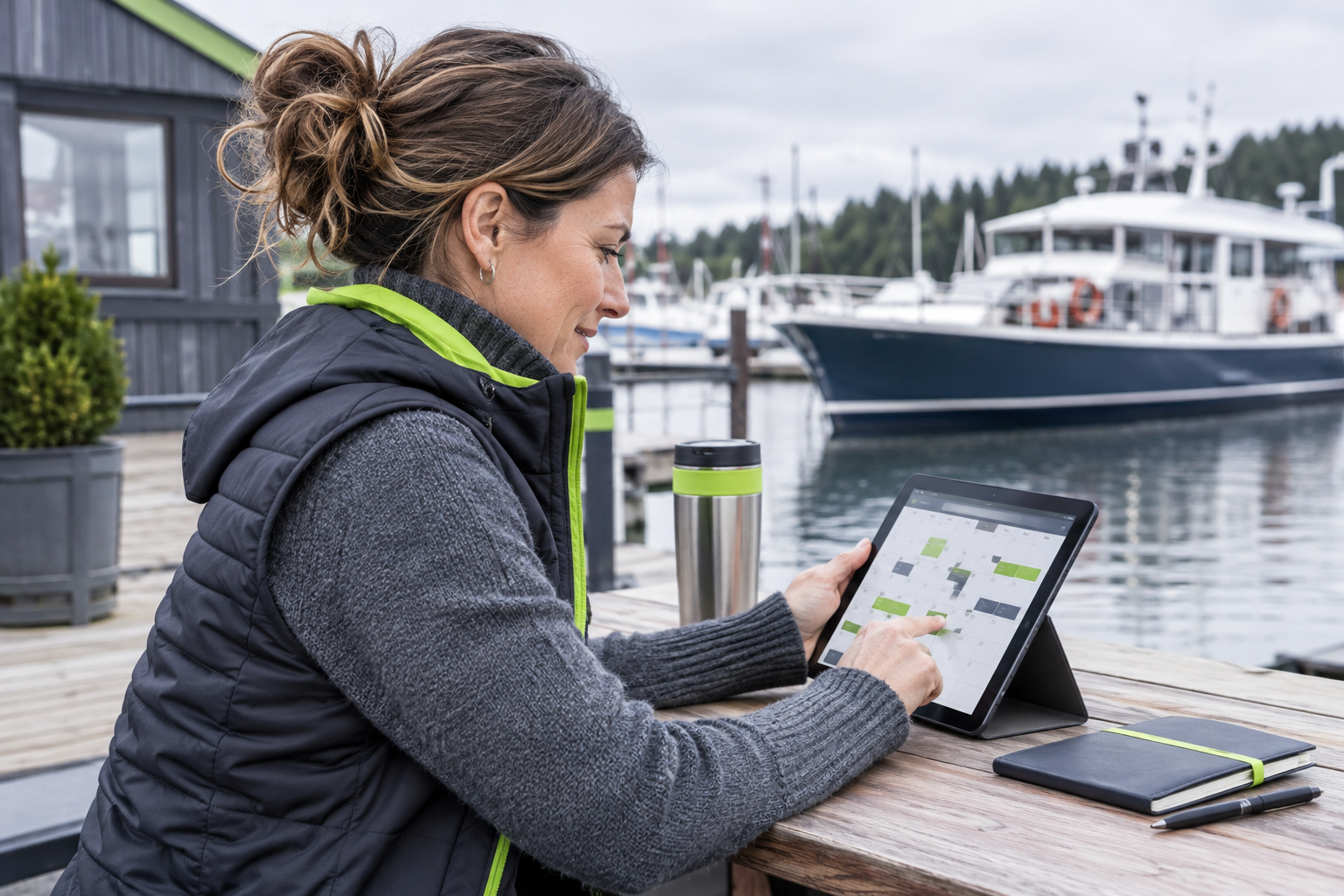
Getting ahead of the slow season starts with knowing what your calendar looks like before it empties out.
Reprice for Shoulder-Season Reality Without Discounting Your Brand
Dropping prices to fill boats is a short-term fix with a long-term cost. Customers who booked at $39 a seat in January will wonder why the same trip is $65 in June, and they will say so in reviews. A better approach is to adjust what the price includes rather than the price itself.
Consider adding a complimentary glass of champagne to a sunset cruise in December. Bundle a small add-on that costs you little but adds perceived value. Keep your base prices where they are and use the add-on as the shoulder-season incentive. It moves bookings without training customers to wait for a sale.
Stay Visible When the Marketplace Listings Go Quiet
Third-party booking marketplaces are powerful in peak season because that is when travelers are searching. In the off-season, your best customers are locals and repeat visitors who already know you — and they are not browsing a marketplace. They are opening emails, scrolling Instagram, and searching for local things to do on a Sunday afternoon.
This is the season to invest in your direct channel. A short email to past guests mentioning your holiday cruise packages, a Google Business post announcing your winter schedule, and an Instagram Story showing what the sunset looks like from your boat in November — these cost almost nothing and reach exactly the right people.
If your booking page is linked from your Google Business profile and loads fast on a phone, that is often enough to capture a local who searches for something to do on a cool Saturday morning.
Know When to Run the Boat and When to Rest It
Not every weekend in January needs to be a departure. Running a half-full boat in marginal conditions to squeeze out a few hundred dollars is a good way to burn out your crew, add unnecessary engine hours, and collect reviews that do not reflect your best operation. Part of slow-season planning is deciding which dates are worth running and which are better blocked for maintenance, training, or marketing work.
A leaner schedule with higher per-trip averages beats a full calendar with thin margins. This is especially true for smaller operations where the captain and the owner are the same person.
Use the Quiet Time to Fix What Peak Season Buried
The slow season is the best time to do the operational work that summer crowds made impossible. Update your booking page copy. Rewrite the confirmation email that guests keep asking questions about. Tighten up your waiver workflow so signatures are collected before guests arrive at the dock, not at the gangway. Train a new crew member without the pressure of back-to-back departures.
Operators who come out of the slow season with a tighter operation — better booking flow, cleaner communications, faster check-in — consistently outperform the ones who just waited for the weather to warm up.
Open Your Spring Calendar Before January Hits
January and February feel distant in November, but they fill faster than expected when you are actively marketing them. Setting up spring packages, early-bird deposit rates, and opening your booking calendar through March before the holiday rush gives local customers something to buy — and gives you something to promote in January email campaigns when you need the momentum most.
The operators who look busiest in spring are usually the ones who quietly kept working in winter.
The Slower Season Is a Planning Season
Revenue on a tour boat follows the weather and the crowds, but it does not have to stop when they leave. Holiday cruises, private events, gift cards, direct marketing to locals, and smart packaging can keep income moving through the winter — and set up a stronger spring than the one you had last year.
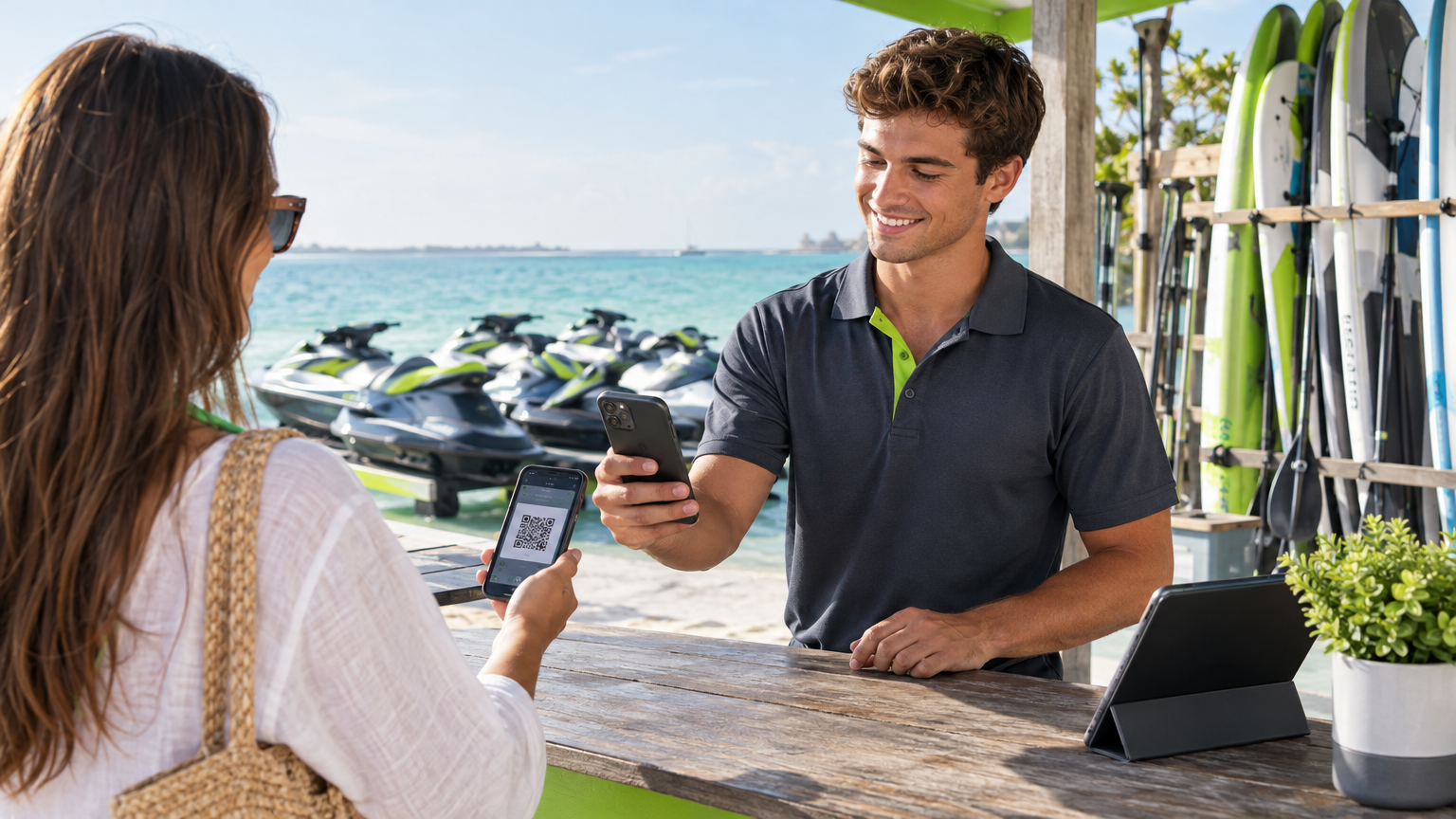
VrixPlay gives tour and cruise operators the tools to manage private and shared bookings, collect deposits online, run QR check-in at the dock, and keep customer communications tied to actual trips — all on a free platform with no monthly subscription. If you are heading into the slow season and want to tighten up your operation before spring, it takes about 15 minutes to get started.