The Morning Fishing Charter Manifest Checklist
The morning manifest is the foundation of a smooth charter day. Here is the complete checklist every fishing charter captain needs before guests arrive at the dock.
Charter Operations, Fishing Charter Manifest Checklist
The Morning Fishing Charter Manifest Checklist
A clear, complete fishing charter manifest checklist keeps your captain, crew, and guests aligned before the lines ever hit the water.
What belongs on a fishing charter passenger manifest is not complicated, but it has to be complete and accurate. Your charter passenger manifest should list every guest and crew member by full legal name, with date of birth, contact details, and emergency contact. It should record the trip date and departure time, vessel name and registration, captain name, and total number of passengers. You also need a clear spot for any medical conditions or mobility needs that could affect safety. A tight fishing charter manifest checklist turns this from guesswork into a simple routine so you can prove who was on board, meet Coast Guard expectations, and protect your business when something goes wrong.
Why the Morning Manifest Sets the Tone for the Whole Trip
The first serious task of the day is not fueling or loading bait. It is locking in the morning manifest. When the manifest is incomplete, you invite three kinds of problems: regulatory exposure, crew confusion, and guest disputes. If the Coast Guard asks for a manifest and your numbers or details do not match who is on board, that is on you. An accurate manifest is the clean record that shows you took basic steps to run a safe trip.
A sloppy list also leaves your crew guessing. They do not know who has mobility issues, who brought kids, or who still owes a balance. That slows boarding and makes you look disorganized at the dock. Finally, when names, counts, or payments are off, arguments start. A tight morning charter checklist keeps those issues out of public view. You solve them at the dock, not twenty minutes past the jetties with lines already in the water.
What Every Fishing Charter Manifest Must Include
A solid charter passenger manifest covers the same core data every time. Use this list as your baseline and build your own fishing charter manifest checklist around it:
Full legal name: No nicknames. Use the name on their ID. This keeps your records clean and avoids confusion when guests share first names or last names across multiple groups.
Date of birth: Needed for age checks, life jacket planning, and any situation where you must confirm who was actually on board. It also helps if medical support is needed later.
Emergency contact: Name and phone number for someone not on the trip. If you have a delay, incident, or medical event, you are not asking the group to dig through their phones at the worst moment.
Phone number: A direct cell for the primary guest. This is how you handle last minute weather calls, late arrivals, and dock directions without tying up your office line or handheld VHF.
Number of passengers: The headcount you are responsible for, including children. This number should match your booking records and what you report if anyone asks at the dock or offshore.
Trip date and departure time: The specific trip slot, not just “Saturday morning.” This protects you when guests mix up days or show up for the wrong boat or time window.
Vessel name and registration: Tie every manifest to a specific hull. If you run a fleet, this avoids cross‑wiring passengers between similar boats and gives you a clean record after the fact.
Captain name: Who had the conn for that trip. This matters for internal accountability, Coast Guard conversations, and any follow up if a guest calls later about an issue on board.
Any medical conditions or mobility needs: You do not need full medical histories. You do need to know about severe allergies, heart issues, pregnancy, or guests who will need extra help moving around the deck or climbing the ladder.
When these fields are standard across your boats, every captain reads the manifest the same way, and your office team can scan for gaps in seconds instead of chasing details by text on a busy dock.
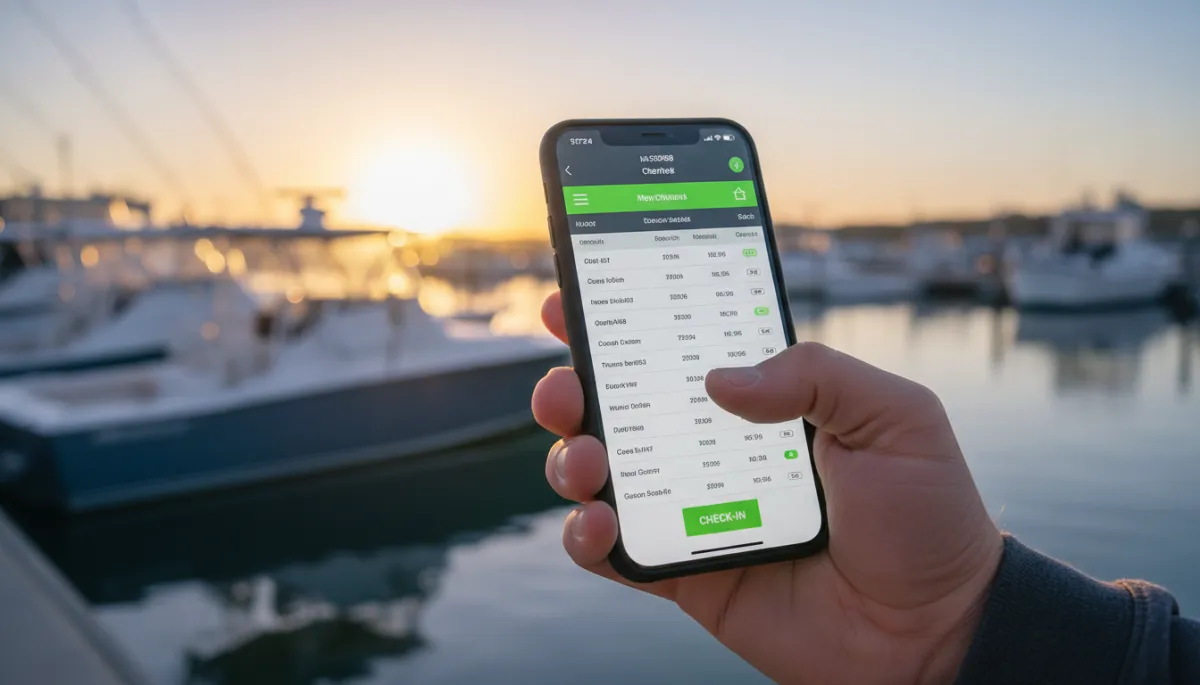
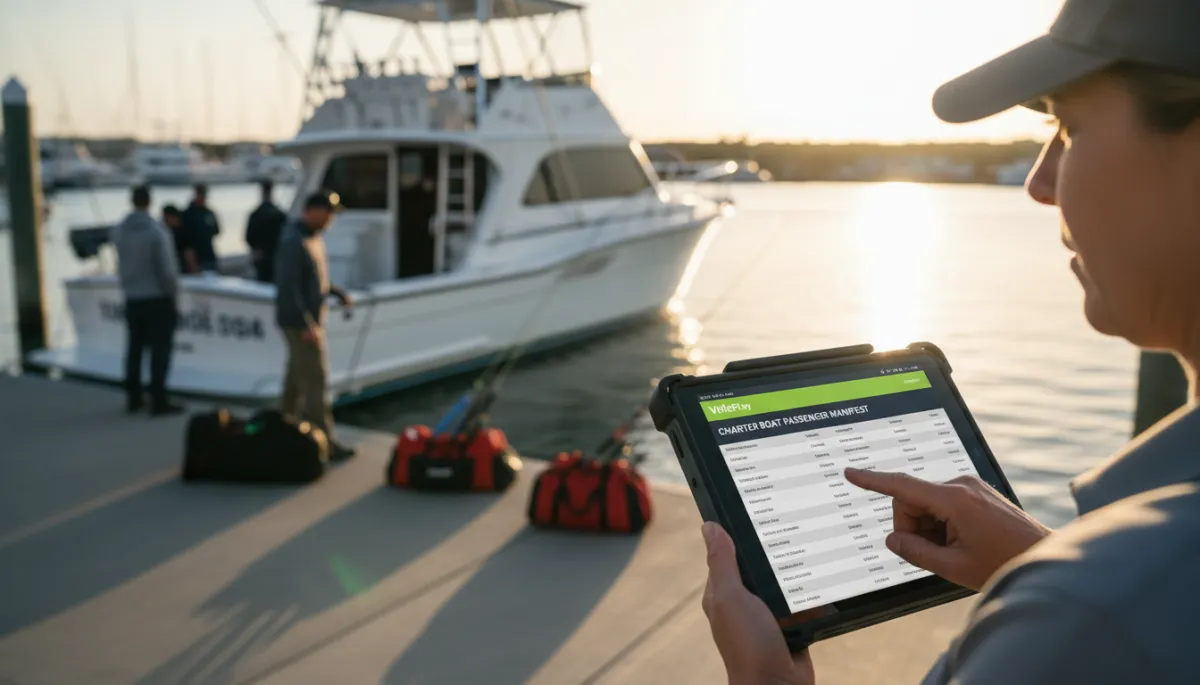
A clear digital manifest lets captains confirm names, counts, and notes in seconds.
The Morning Charter Manifest Checklist
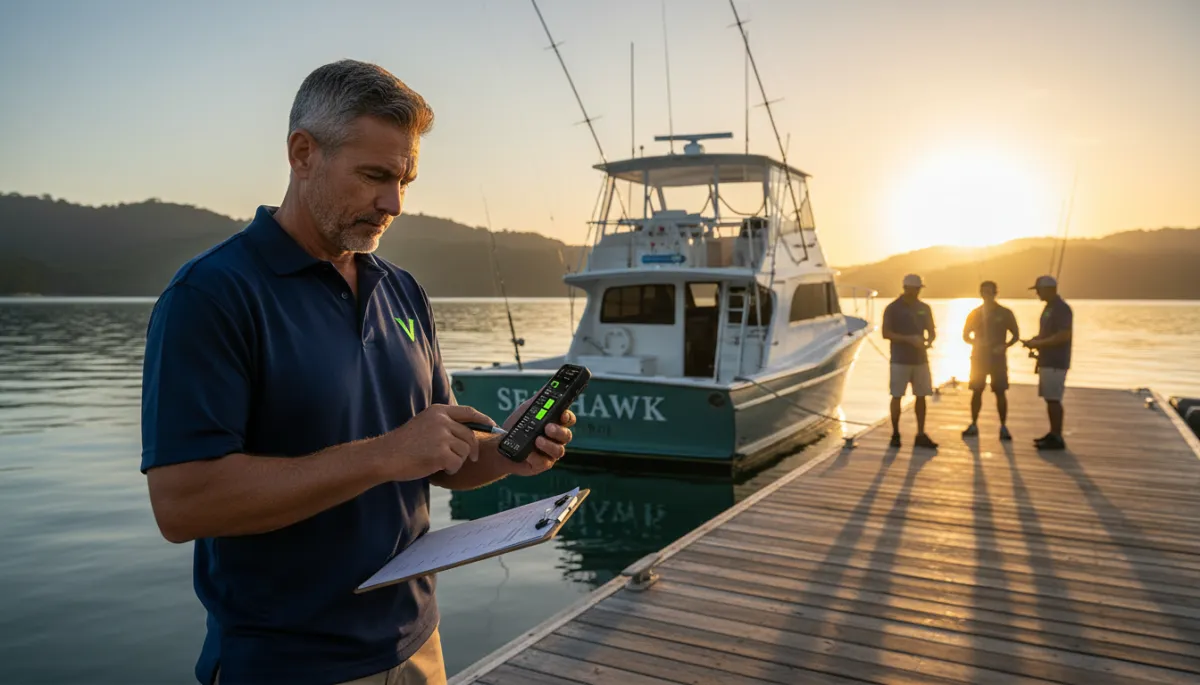
A good morning charter checklist is short enough to use but strict enough that nothing slips. Before you leave the dock, your captain should walk through these steps, out loud if needed:
Verify passenger count matches manifest. Count heads on the dock, then count again once everyone is on board. Confirm that number matches the charter passenger manifest and your booking record. If it does not, fix it before you untie a line.
Confirm all waivers are signed. Check that every adult and the parent or guardian for each minor has signed the correct release. Do not rely on “we signed online” without seeing it recorded against the booking or on your manifest notes.
Check ID against manifest for Coast Guard compliance. Spot check at least the primary contact and anyone who looks close to an age limit. Make sure the full legal name and date of birth on the ID match what is on the manifest.
Confirm deposit and balance status. The captain does not need to be the bookkeeper, but before you leave, they should know if the trip is paid in full, deposit only, or balance due at return. That keeps money conversations off the water.
Brief crew on passenger list. Share any kids on board, first‑timers, older guests, or groups celebrating events. This is how your mate knows who needs extra coaching, who may get seasick, and who might push limits with alcohol or behavior.
Note any special needs. Mark down allergies, mobility concerns, language barriers, or guests who cannot swim. Keep this visible for the whole trip so the crew does not forget once the bite starts.
Run this checklist the same way on every boat, every morning. It takes a few minutes and saves you hours of clean up when something goes sideways.

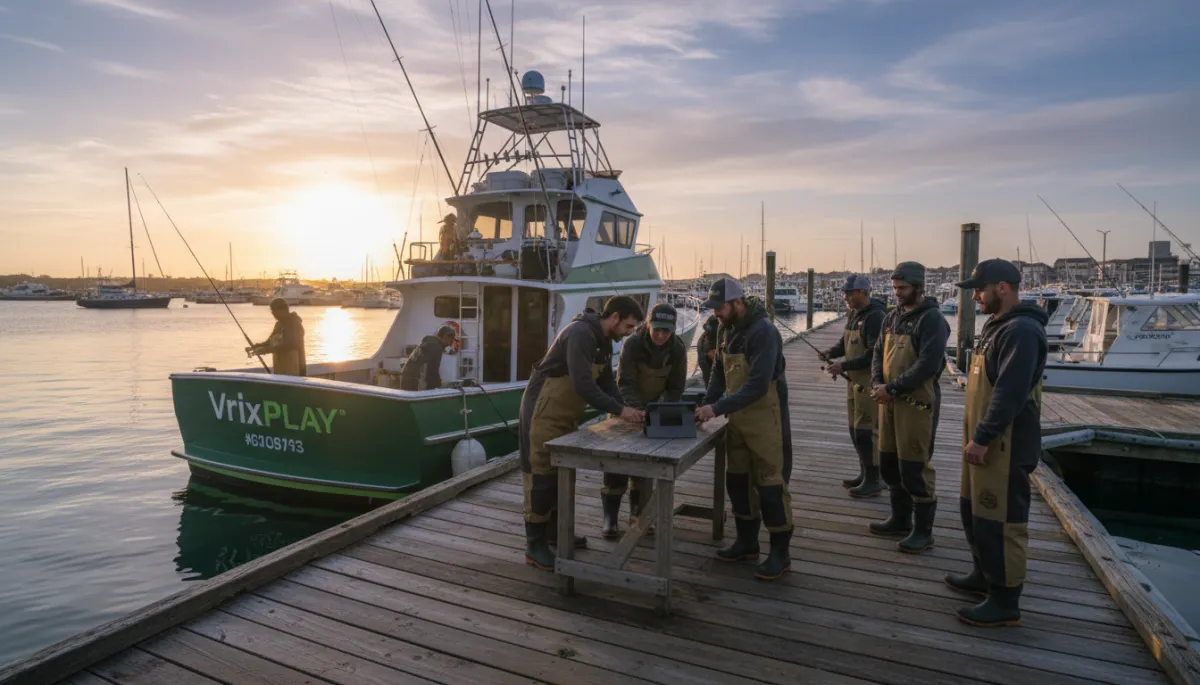
A quick dockside manifest huddle keeps captains and crew aligned before boarding.
How to Move From Paper to Digital Manifests
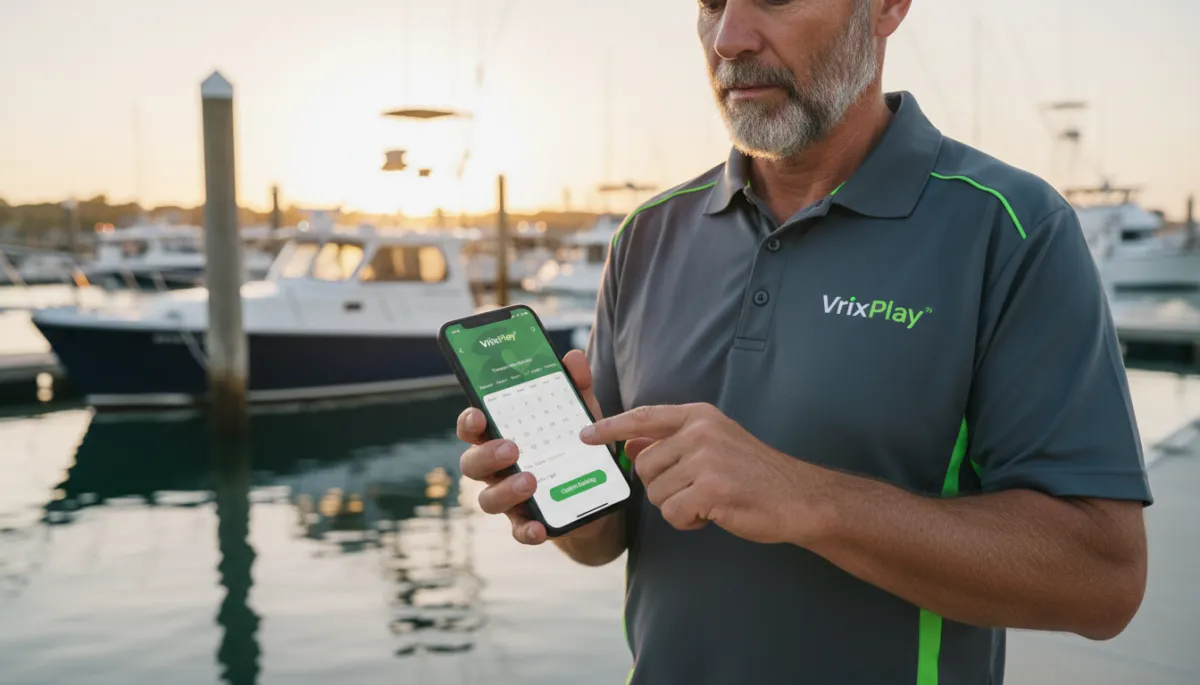
Paper gets wet, blows away, and lives in clipboards that never make it back to the office. A digital manifest keeps the same information but cuts out the retyping and guesswork. The cleanest setup pulls data straight from your booking records, so full legal names, headcounts, and contact info auto‑populate. Your captain then opens the digital manifest on a phone at the dock, makes quick edits for no‑shows or add‑ons, and shares the final version with crew in seconds. A digital manifest is still a checklist. It is just easier to read, easier to update, and harder to lose when the wind picks up.
How VrixPlay Supports Charter Manifests
VrixPlay is built to keep your captains and booking team on the same page. Manifest data pulls from the booking records you already use, so names, headcounts, and contact details carry straight into each trip. At the dock, captains can open the manifest on a mobile device, review the morning charter checklist, and update notes in real time. Crew see their assigned trips and passenger lists without digging through group texts. VrixPlay is free to use with a flat 3% per booking, so you keep control of your margins while tightening your records. See charter operations tools and decide if this fits your fleet’s morning routine.
FAQ: Fishing Charter Manifests
What belongs on a fishing charter passenger manifest?
At minimum, list full legal names, dates of birth, contact numbers, and emergency contacts for everyone on board. Add trip date and departure time, vessel name and registration, captain name, and total passenger count. Include any medical conditions or mobility needs that affect safety. Use the same structure on every trip so captains and booking staff do not have to guess what is missing.
Is a passenger manifest required by the Coast Guard?
Coast Guard requirements vary by vessel type, route, and passenger count. Many inspected passenger vessels must keep clear records of who is on board. Even when a written manifest is not specifically required, having one helps you show that you take basic safety and accountability seriously. Check the current Coast Guard rules for your vessel and route and build your process to match those expectations.
Can a digital manifest satisfy Coast Guard requirements?
In many cases, a digital manifest is acceptable as long as it is accurate, accessible, and can be produced on request. The key is that the information is complete and can be shown to an officer in a clear format. If you run a digital manifest, make sure your captain can open it on a phone or tablet without a network connection and that you can export or print it if needed.
How do I make sure my manifest is complete before departure?
Use a fixed morning charter checklist and do it the same way every time. Compare the manifest headcount to the people at the dock, confirm waivers, scan for missing birth dates or emergency contacts, and mark any medical or mobility notes. Have your office or booking manager spot check manifests during busy weekends. A short, repeatable process beats a long list nobody follows.
Close: Lock In Your Morning Manifest
A clean manifest is the start of a clean trip. Standardize the fields, enforce the morning checklist, and move to a digital manifest that follows your boats, not your clipboards. See charter operations tools and decide how you want your next departure to run.